
The Myth of the Tortured Musician
Disclaimer: These blogs and pages are for informational and educational purposes only. I am not a medical professional, and nothing in this resource should be taken as medical advice. Always consult with a qualified healthcare provider before making changes to your diet, lifestyle, or health routine.
By Nicholas Magliochetti
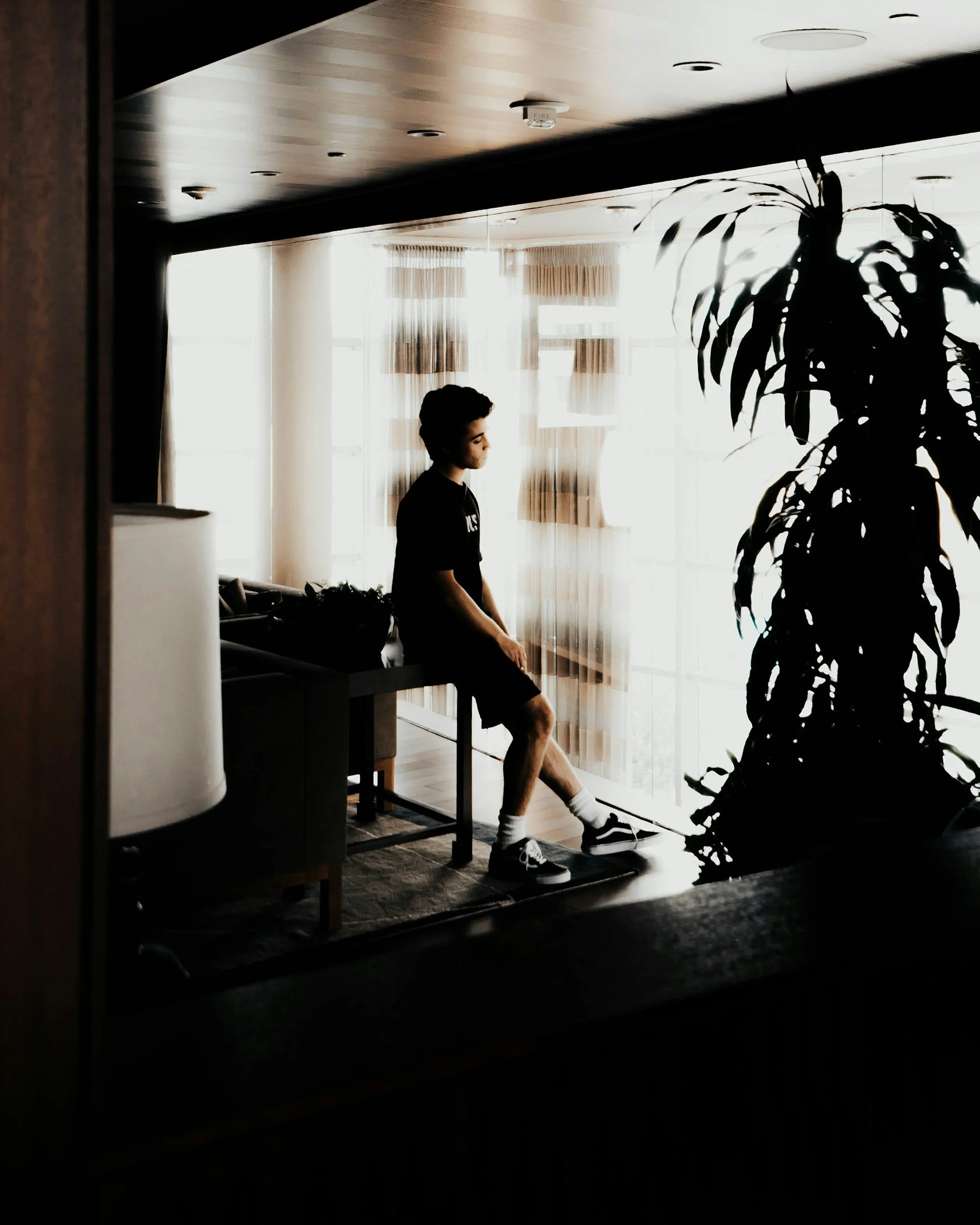
Somewhere along the way, many musicians inherit the idea that suffering and creativity are somehow connected.
The belief rarely arrives as a formal lesson. No one sits us down and explains that great art requires pain. Instead, the idea emerges gradually through stories, biographies, interviews, films, and conversations. We learn about brilliant artists who struggled with addiction, depression, isolation, anxiety, or self-destruction. Their suffering becomes part of the narrative surrounding their work, sometimes to the point where it becomes difficult to separate the art from the hardship.
Over time, a subtle message begins to take shape.
Perhaps suffering produces creativity.
Or worse, perhaps creativity requires it.
I spent many years in the music industry, and while the idea was rarely stated outright, it was never far from the surface. There was often a certain admiration reserved for people who appeared willing to sacrifice everything for their art. Long nights, poor sleep, unstable schedules, unhealthy habits, financial stress, strained relationships, and chronic exhaustion were sometimes treated as evidence of commitment. The artist who seemed consumed by their work was often viewed as more serious than the one who maintained balance.
Looking back, I find this fascinating because we rarely apply the same logic to other professions.
We do not assume a surgeon becomes better by neglecting sleep. We do not assume an athlete performs better by ignoring injuries. We do not assume a pilot flies more effectively while exhausted. Yet when it comes to artists, there is often an underlying belief that struggle somehow enhances the quality of the work.
Part of this may stem from the fact that difficult experiences can inspire meaningful art. Pain, loss, uncertainty, and hardship are universal parts of being human. Some of the most moving songs ever written emerged from periods of challenge or transition. Art has always served as a way for people to process experiences that might otherwise feel overwhelming.
The mistake, however, is confusing inspiration with necessity.
Pain may inspire creativity.
That does not mean pain is required for creativity.
These are very different ideas.
One of the things I have come to appreciate is that people often remember the suffering artists while overlooking the countless healthy, stable, productive individuals who create extraordinary work every day. The stories that survive tend to be dramatic. They are easier to tell. The musician who destroys a hotel room, battles addiction, or lives on the edge becomes part of cultural mythology. The musician who maintains healthy relationships, gets adequate sleep, takes care of their health, and quietly creates meaningful work rarely becomes the subject of a documentary.
Yet one could argue that the latter has discovered something far more valuable.
A sustainable creative life.
This distinction becomes particularly important when discussing mental health. Anxiety, depression, substance use disorders, and burnout are real challenges that affect many musicians. They are not sources of artistic legitimacy. They are health concerns deserving of compassion, support, and treatment. Romanticizing these struggles can create the impression that seeking help somehow diminishes creativity or authenticity.
In reality, the opposite is often true.
When people are healthier, they are often better equipped to engage with their work, maintain relationships, pursue long-term goals, and continue creating over the course of a lifetime. Creativity does not disappear when a person receives treatment for depression. Musical ability does not vanish when someone prioritizes sleep. Artistic identity is not threatened by therapy, exercise, recovery, or self-care.
If anything, these things create the conditions that allow creativity to endure.
The older I get, the less interested I become in stories about self-destruction and the more interested I become in stories about sustainability.
I think about the musicians who are still creating meaningful work decades into their careers. I think about the artists who remain connected to their families, communities, and passions. I think about the individuals who learned how to care for themselves while continuing to care deeply about their craft.
Those stories may not be as dramatic.
But they are often far more instructive.
Perhaps the most enduring myth about the tortured artist is the belief that creativity exists in opposition to health. That somehow we must choose between being well and being creative.
My experience has led me to a different conclusion.
The goal is not to eliminate struggle from life. No one has that luxury. Heartbreak, disappointment, uncertainty, grief, and adversity are part of the human experience. Artists will continue drawing inspiration from those experiences because they are part of what makes us human.
The goal is simply to recognize that suffering is not a prerequisite for meaningful work.
Great art does not emerge because a person is broken.
It emerges because a person has something worth expressing.
And the healthier that person remains, the longer they may be able to share it with the world.