
The Loneliness of Creative Work
Disclaimer: These blogs and pages are for informational and educational purposes only. I am not a medical professional, and nothing in this resource should be taken as medical advice. Always consult with a qualified healthcare provider before making changes to your diet, lifestyle, or health routine.
By Nicholas Magliochetti
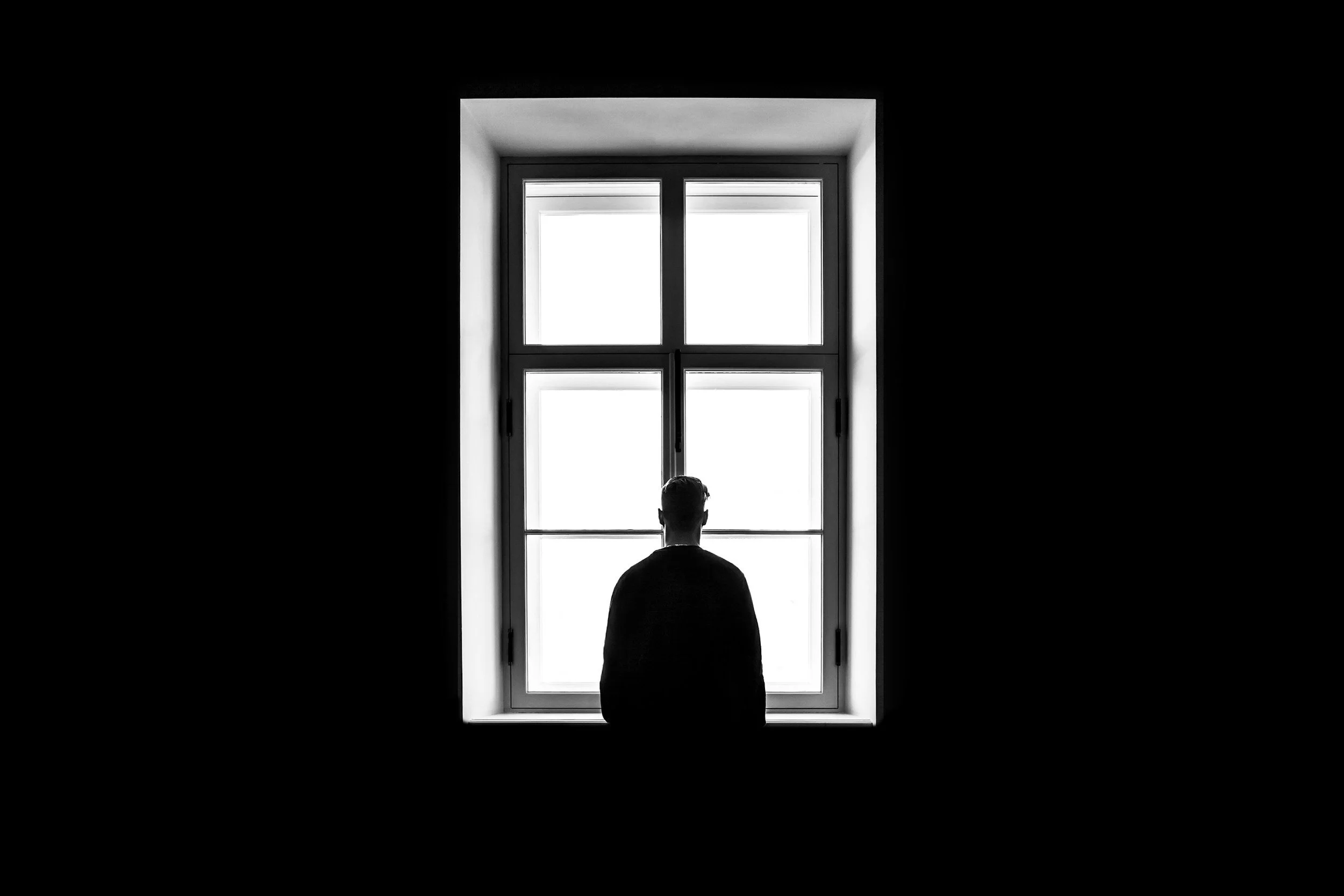
For a profession built around communication, music can be surprisingly solitary.
This is something I didn't fully appreciate until years into my career. Like many musicians, I was drawn to music because of the connections it created. Live performances brought people together. Songs captured emotions that were difficult to put into words. Entire friendships were built around a shared love of certain artists, records, and experiences. Music often felt communal, even when the work itself was not.
Much of my professional life, however, took place in quiet rooms.
Studios are interesting places. They are often filled with creativity, collaboration, and energy, but they can also be remarkably isolating. Hours disappear while editing audio, troubleshooting technical issues, programming parts, mixing songs, or preparing projects for release. A person can spend an entire day working intensely without having a meaningful conversation with another human being. The work is engaging, sometimes even absorbing, but it is often performed alone.
At first, I enjoyed that aspect of it.
There is a certain satisfaction that comes from solving problems independently. Recording, producing, and mixing all reward focus and attention to detail. Many creative professions do. The ability to disappear into a project for hours at a time can feel productive, even comforting. For years, I viewed that level of immersion as one of the great benefits of the work.
Over time, however, I began to notice something. Some of the moments I found most meaningful had very little to do with the work itself. They occurred during conversations.
They occurred when I was teaching someone a concept they had been struggling to understand. They occurred when I was helping another musician solve a problem, navigate a challenge, or gain confidence in a skill they were developing. They occurred when I could see, in real time, the impact that a piece of knowledge or encouragement had on another person.
The projects remained rewarding. The people became more rewarding.
At first, I assumed this feeling was unique to me. Later, I realized that many people who work in creative professions eventually encounter a similar tension. The act of creating something can be deeply fulfilling, but creation itself does not always satisfy our need for connection. A finished song, a completed painting, a published book, or a successful business can provide a tremendous sense of accomplishment. Yet accomplishment and connection are not necessarily the same thing.
This distinction is easy to overlook because modern culture places enormous emphasis on achievement. We are encouraged to set goals, pursue success, build careers, and produce results. Those pursuits can be worthwhile. They can also become so consuming that we forget to ask a simpler question.
What kind of life do we actually want to live?
For many years, my answer revolved around music. I wanted to become a better musician, build better projects, create better recordings, and grow successful businesses. Those goals motivated me and provided opportunities I will always be grateful for. Yet as time passed, I found myself becoming increasingly interested in a different type of work.
I became interested in work that placed people at the center.
Researching musician health exposed me to stories of hearing loss, chronic pain, mental health challenges, and barriers to healthcare access. The more I learned, the more fascinated I became—not only by the science itself, but by the opportunity to help others understand it. I found myself drawn toward education, advocacy, and service in ways that surprised me.
Looking back, I don't think I was moving away from music. I think I was moving toward people.
When people hear about career changes, they often assume something must have gone wrong. They imagine dissatisfaction, frustration, or failure. In reality, some transitions occur not because we dislike what we are doing, but because we discover something that feels more aligned with who we are becoming.
For me, that realization arrived gradually.
I began to recognize that while I enjoyed creating things, I felt most fulfilled when I could use knowledge to help someone move forward. Whether that meant explaining a concept, solving a problem, offering reassurance, or helping someone navigate uncertainty, those interactions consistently stood out as the most meaningful parts of my day.
The older I get, the more I appreciate that human beings are not designed to exist entirely in isolation. We need purpose, certainly. We need goals and challenges. But we also need connection. We need opportunities to contribute to something larger than ourselves and to feel that our efforts are making a difference in the lives of others.
Creative work will always have an important place in the world. Art enriches our communities, preserves our stories, and gives voice to experiences that might otherwise remain unspoken. Yet the value of creative work ultimately comes from the people it touches. Behind every song, every performance, every recording, and every project is a human desire to connect.
Perhaps that is why the most meaningful lessons of my music career had less to do with music itself and more to do with people.
Music taught me how deeply human beings long to be understood.
Everything that followed grew from that realization.