
The Day I Realized Musicians Need Better Healthcare
Disclaimer: These blogs and pages are for informational and educational purposes only. I am not a medical professional, and nothing in this resource should be taken as medical advice. Always consult with a qualified healthcare provider before making changes to your diet, lifestyle, or health routine.
By Nicholas Magliochetti
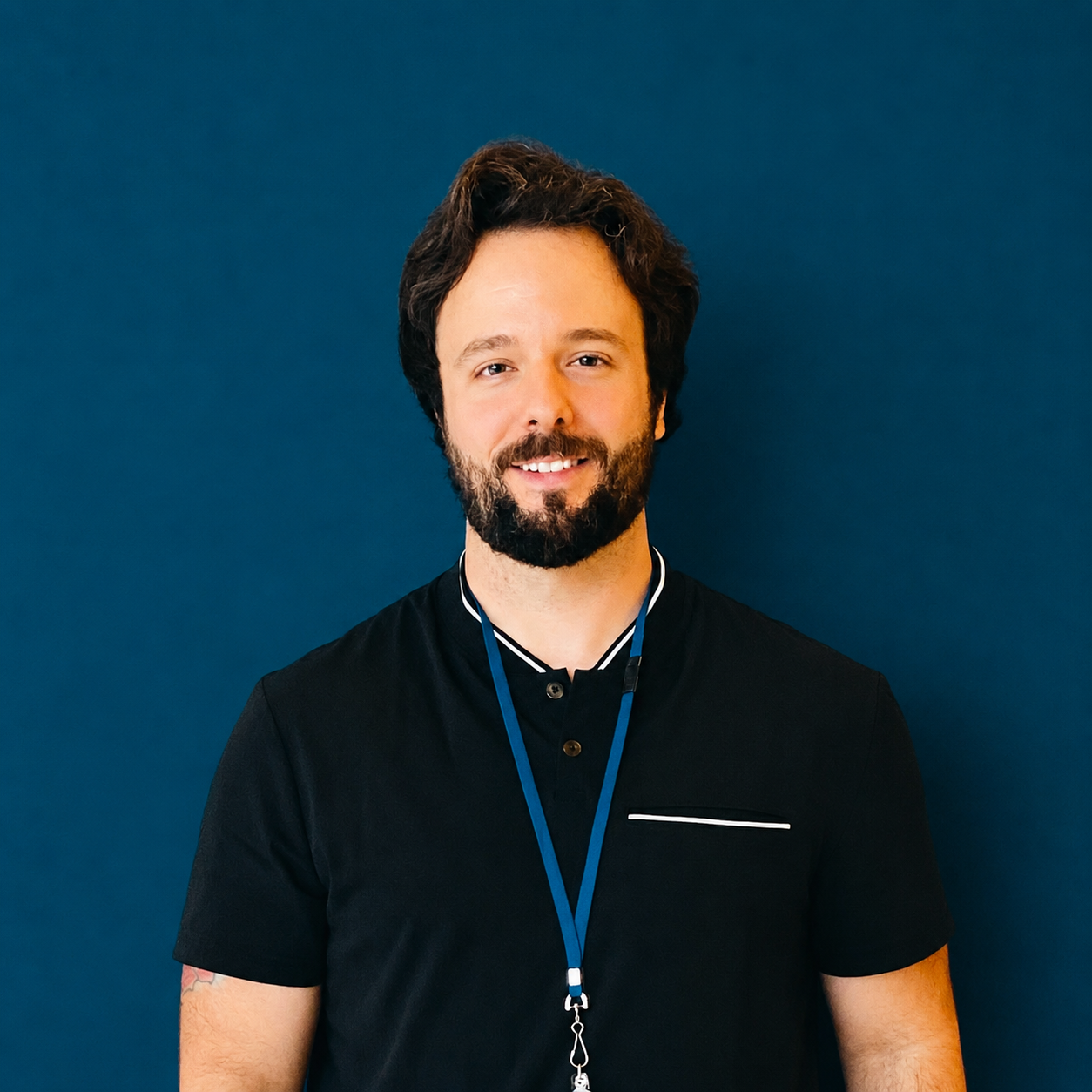
For most of my adult life, music was my career.
I spent more than a decade performing, recording, producing, mixing, and building businesses within the music industry. Music gave me opportunities I never imagined, lifelong friendships, and a creative outlet that shaped much of who I am today. It taught me discipline, perseverance, problem-solving, and the value of hard work. Even now, music remains an important part of my life.
Along the way, however, I began to notice something that rarely gets discussed openly.
Many musicians struggle with their health.
I met talented artists dealing with chronic pain, hearing loss, anxiety, depression, sleep deprivation, burnout, and substance use. Some delayed seeking medical care because they could not afford it. Others worried that taking time away from performing would jeopardize their careers. Many simply accepted physical and mental health challenges as part of being a musician.
At first, these observations felt anecdotal. They were simply part of the environment around me. Like many people in the music industry, I accepted them as normal.
That changed when I began researching musician health more formally.
As I reviewed the scientific literature, a pattern emerged. The challenges I had witnessed throughout my career were not isolated experiences. They were documented public health concerns. Studies described high rates of playing-related musculoskeletal disorders, hearing loss, tinnitus, anxiety, depression, and barriers to healthcare access among musicians. Despite performing at an elite level, many musicians lacked the support systems, preventive resources, and healthcare access available to professionals in other demanding fields.
The more I learned, the more difficult it became to ignore.
But something else happened as well.
The deeper I explored these issues, the more I found myself drawn toward helping people rather than simply understanding the problem.
For years, I had poured my energy into recording projects, creative work, and growing businesses. I was fortunate to achieve goals that once seemed impossible. Yet over time, I found myself increasingly fulfilled by something entirely different. The moments that felt most meaningful were not the ones tied to a finished record, a successful product launch, or a business milestone. They were the moments when I was helping someone solve a problem, learn something new, or navigate a difficult challenge.
At the same time, I began to recognize that my strengths were often better suited to scientific problem-solving and education than to the increasingly isolated nature of studio work. Much of my career had been spent behind computer screens, in control rooms, or working independently on creative projects. While I remain grateful for those experiences, I realized I wanted a career that allowed me to engage directly with people, build relationships, and make a tangible difference in their lives.
Helping others became the new goal.
What began as an interest in musician wellness gradually evolved into a broader passion for healthcare, public health, and medicine. I became fascinated by the science behind injury prevention, hearing conservation, mental health, chronic disease prevention, and healthcare access. More importantly, I became inspired by the opportunity to use that knowledge to help people live healthier lives.
Medicine emerged as a natural extension of that realization.
Today, my goal is not simply to treat illness. My goal is to help people continue doing the things that give their lives meaning.
For a musician, that may mean preserving hearing, recovering from an injury, managing anxiety, or preventing burnout so they can continue creating and performing. For others, it may mean returning to work, caring for their families, pursuing their passions, or remaining active in their communities. The underlying mission is the same: helping people protect the parts of life that matter most to them.
Campaign for Musician Health was created as one way to contribute to that mission.
The purpose of this platform is to make reliable health information more accessible to musicians and to help bridge the gap between healthcare and the music community. Whether the topic is hearing protection, injury prevention, mental health, sleep, preventive care, or healthcare access, every resource on this site is guided by a simple belief: musicians deserve the knowledge and support necessary to protect both their health and their careers.
While my interest in healthcare now extends far beyond the music industry, musicians will always hold a special place in my heart. This community shaped much of my life. The lessons I learned through music continue to influence how I think, work, and connect with others.
This project is my way of giving something back.
My hope is that the information shared here helps musicians not only preserve their ability to create, but also strengthen their relationships, improve their well-being, and continue contributing their talents to the communities around them. Creative work enriches our lives in countless ways. The health of the people behind that creativity matters.
Thank you for being here and for being part of this mission.
— Nick Magliochetti